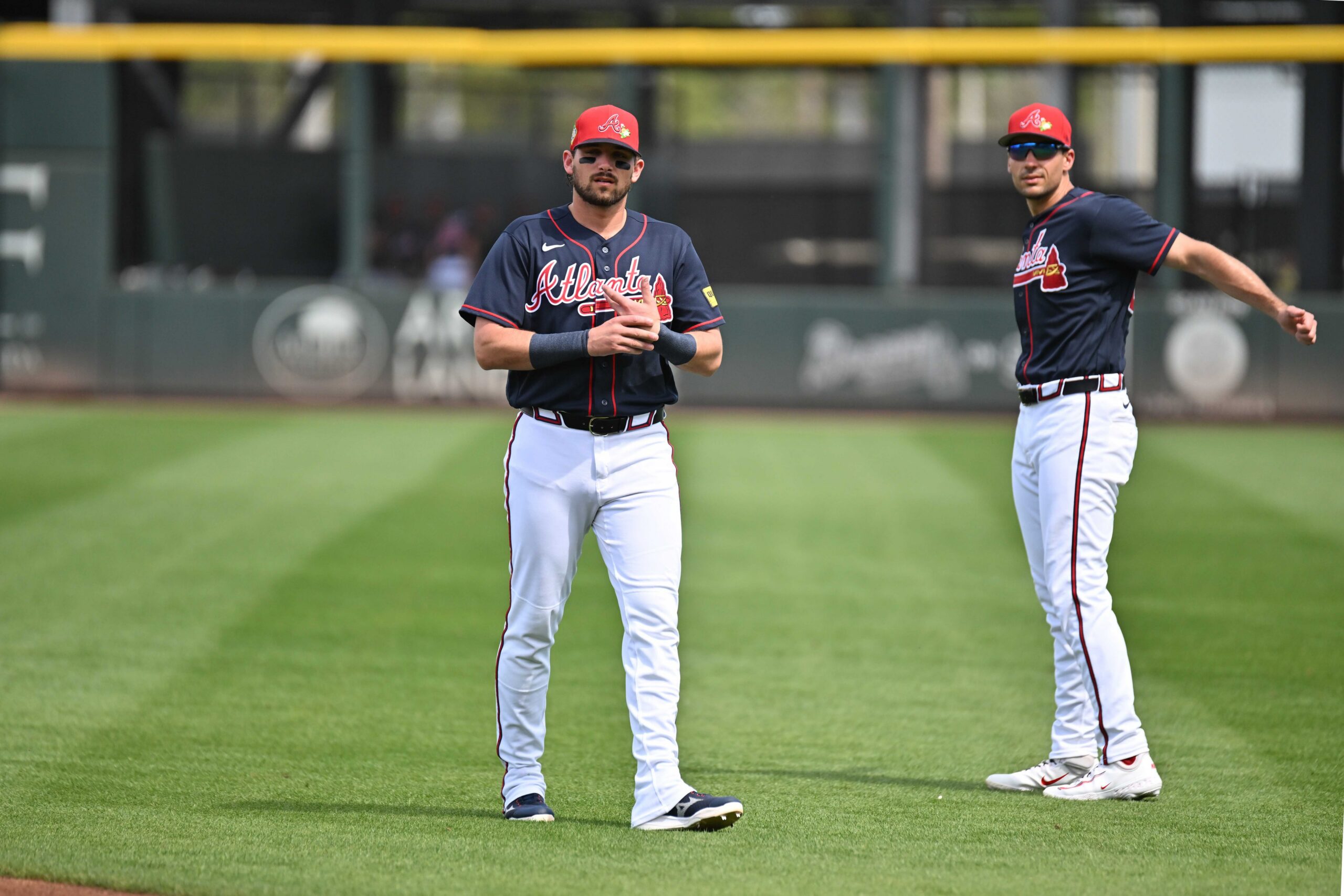
Opening Day is close enough now that the noise of spring training starts to settle into something more useful. For the Atlanta Braves, the past six weeks haven’t been clean or predictable. Injuries interrupted plans, roster decisions shifted expectations, and a few players returned from international play carrying both momentum and wear. What’s left is a team that looks slightly different than the one that ended last season, but not in ways that immediately jump off the page.
The Braves Offense Looks Less Fragile Than It Did a Year Ago
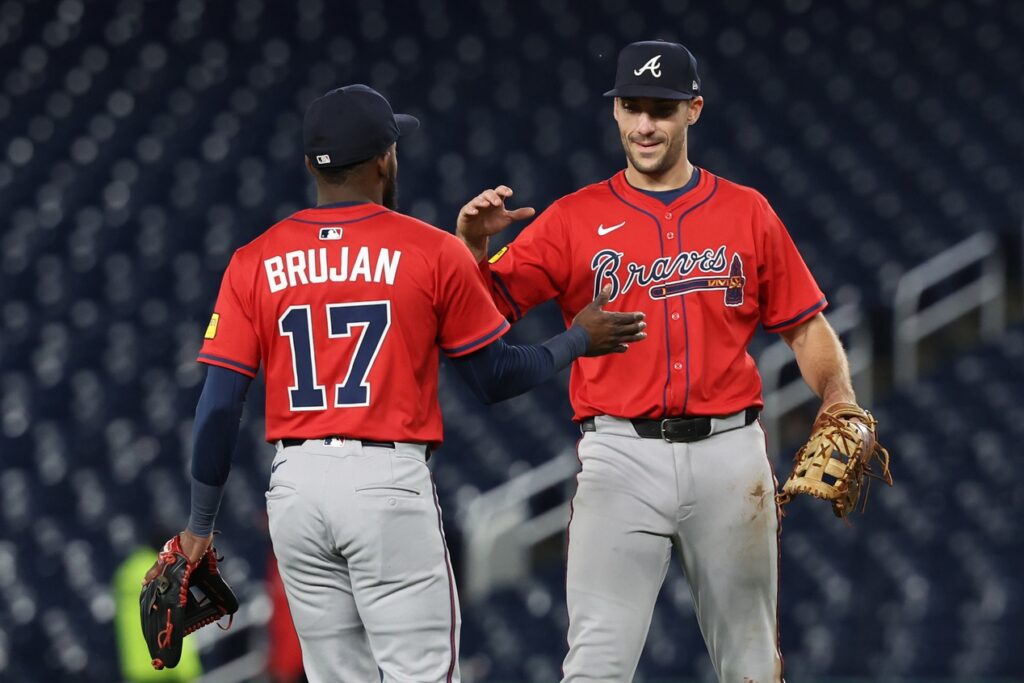
The most noticeable shift begins with the offense, which already looks more stable before a single regular-season pitch is thrown. Austin Riley moved through spring with consistent timing at the plate, while Ronald Acuña Jr. enters the year without the physical limitations that clouded stretches of last season. Matt Olson’s presence remains steady, and the expectation is not reinvention but continuation. When those three are aligned, the lineup operates with far less strain on the supporting cast.
The smaller changes may matter just as much. Mauricio Dubón’s production alone resets the floor at shortstop, even if it’s temporary before Ha-Seong Kim returns. Last year’s output from that position was difficult to work around; Dubón’s baseline already clears it. Mike Yastrzemski and Dominic Smith add specific matchup value, particularly against right-handed pitching, and the bench now offers legitimate alternatives instead of placeholders. Even with uncertainty around Ozzie Albies, the structure of the lineup no longer depends on every piece performing at peak levels just to function.
The Rotation Has No Cushion Left
The rotation doesn’t offer that same margin. Spencer Strider’s late injury reshaped the conversation entirely. What could have been framed as a solid group now leans heavily on durability questions. Reynaldo López’s velocity concerns late last season haven’t disappeared simply because they’ve been explained, and Grant Holmes’ decision to rehab rather than undergo surgery leaves a lingering unknown. Bryce Elder and José Suárez may hold their roles, but the issue isn’t whether they can fill innings; it’s whether the rest of the group can stay on the field long enough to avoid constant reshuffling.
There isn’t much flexibility here. If one more piece falters, the Braves are quickly forced into patchwork solutions rather than planned adjustments.
Speed Might Change the Way This Team Wins Games
Then there’s the element that didn’t define last season at all: speed. Antoan Richardson’s influence is already visible, and it changes how this team might look on a nightly basis. Acuña doesn’t need encouragement to run, but the broader effect shows up elsewhere. Albies is pushing toward a higher stolen base ceiling, Michael Harris II already brings consistency on the basepaths, and Eli White adds efficiency in limited opportunities.
After finishing near the bottom of the league in steals, the Braves now have a path to flip that identity without changing personnel dramatically. The difference won’t just be in totals; it will show up in how often they force defensive mistakes, take extra bases, and create scoring chances without relying solely on power.