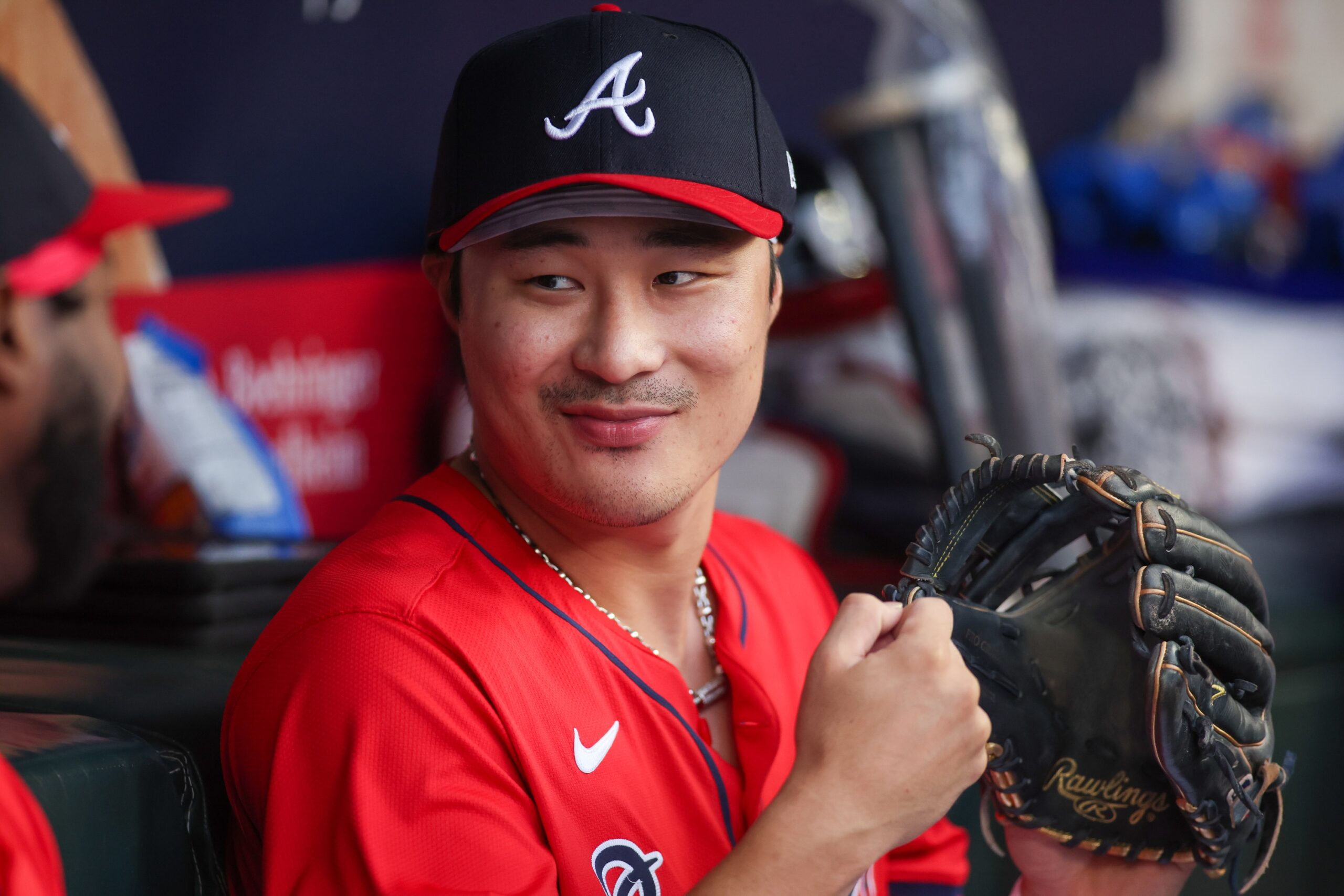
As the MLB Winter Meetings loom, the shortstop market is barren, and yet, reports project Atlanta Braves free agent Ha-Seong Kim to land a modest one-year, $16 million deal, a figure identical to the player option Kim declined. At first glance, it’s a head-scratcher. Why would a player walk away from certainty only to land back in the same spot? But peel back the layers, and the rationale becomes clearer and more complicated.
A Tale of Two Stretches: Injured Early, Steady Late
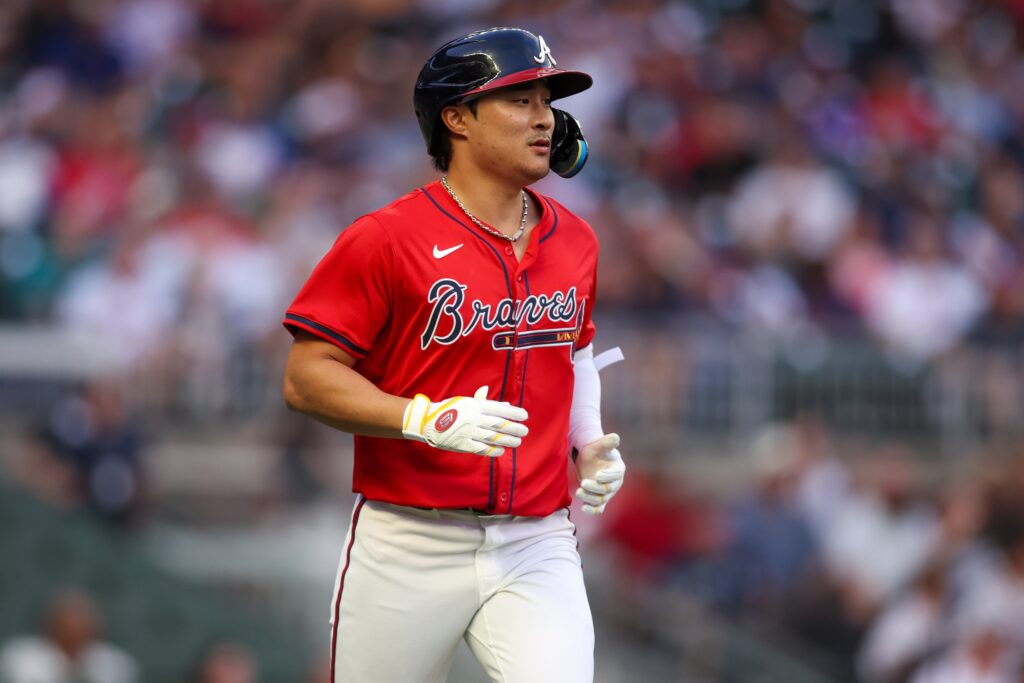
Kim’s season was a tale of two halves, but not in the traditional sense. Battling injuries for a large chunk of the season, his numbers took a hit. A casual observer might write off the entire campaign as a down year. But when he finally got healthy and landed in Atlanta, a familiar version of Kim re-emerged. In 24 games with the Braves, he slashed .253 with a .684 OPS. On the surface, not eye-popping. But go a level deeper: in the first 21 of those games, before a cold final series, he hit .289 with a .770 OPS. That’s the Ha-Seong Kim teams remember, the one who could hold down the middle infield with solid defense and timely hitting.
One-Year Deal Carries Risks in an Uncertain Market
This bounce-back sparked his decision to decline the player option. And frankly, with such a thin shortstop class this winter, it made sense. The market may be light on stars, but that often benefits players like Kim. Someone always rolls the dice when the options are scarce.
But here’s the rub: McDaniel’s one-year projection, while financially fair, undercuts the momentum Kim seemed to build in Atlanta. Why bet on yourself again when there’s legitimate risk in next year’s market? With the collective bargaining agreement set to expire and a potential lockout looming, a one-year deal is more than just a gamble; it’s walking a financial tightrope without a safety net.
A two- or three-year deal, even with player or club options, makes far more sense. It hedges against market instability and gives Kim a window to re-establish value. And this is where the Braves come in.
Braves May Prefer Stability Over Uncertainty
There’s reported mutual interest in a reunion. Atlanta was counting on Kim to pick up his option, likely as a stopgap to buy time for infield prospects. But now that he’s on the open market, they may prefer to lock him in for multiple years. Not only would it give their young talent more time to mature, but it would also ensure infield continuity and flexibility during a transitional period in MLB labor relations.
Kim’s free agency will test how much teams value post-injury performance and positional scarcity. But if the Braves want stability and Kim wants security, a middle ground may be closer than it appears.
In a market that rewards timing and leverage, Kim may not be a superstar, but he might be exactly what a team like Atlanta needs, right when they need it.