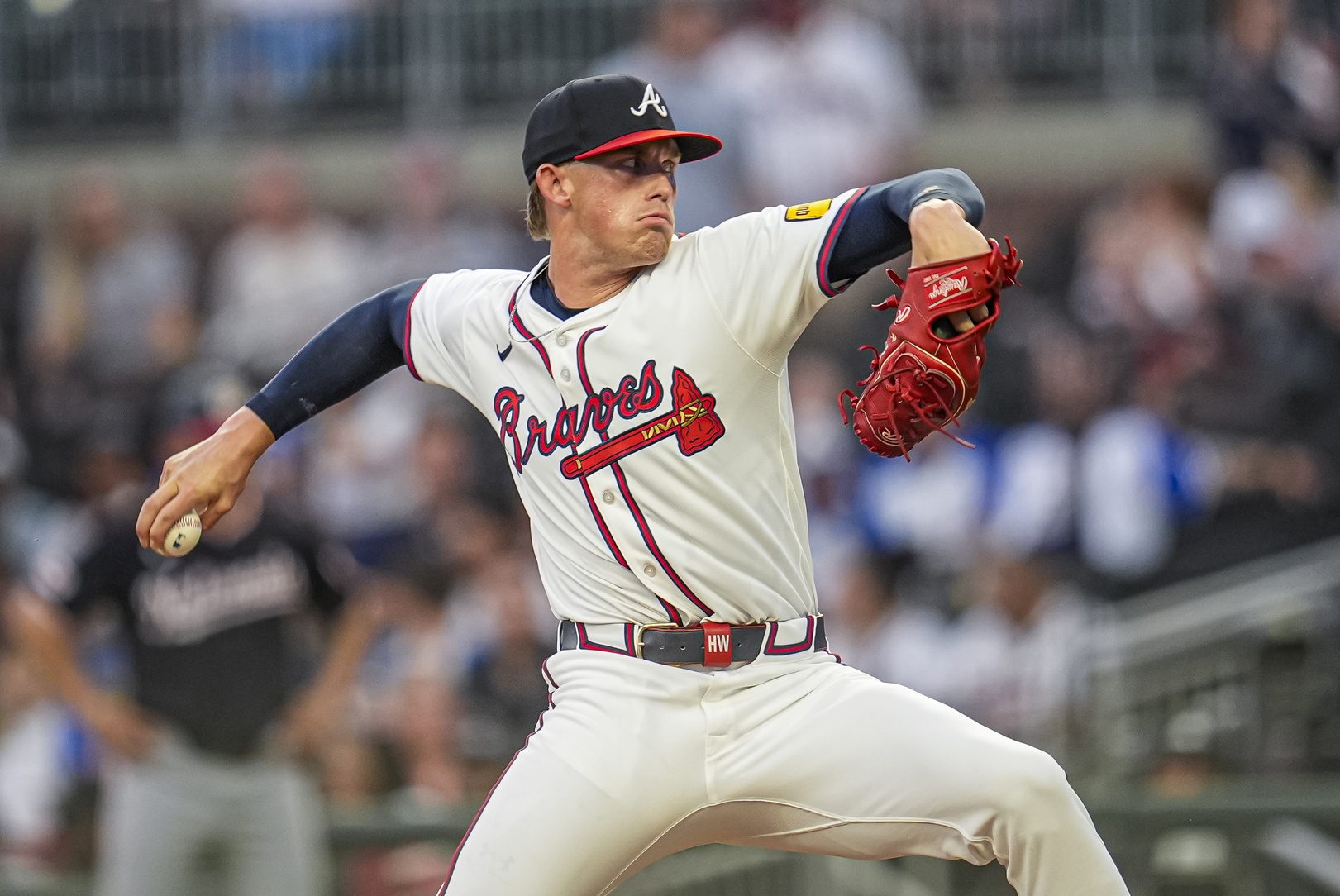
What a year this week has been for the Atlanta Braves, and it’s only just beginning. In what feels like a blink, the stability of the starting rotation has shifted from cautious optimism to urgent concern. With two starters potentially sidelined and uncertainty swirling around Hurston Waldrep’s elbow, the Braves find themselves confronting a scenario they quietly hoped to avoid.
The Wake-Up Call Braves Couldn’t Ignore
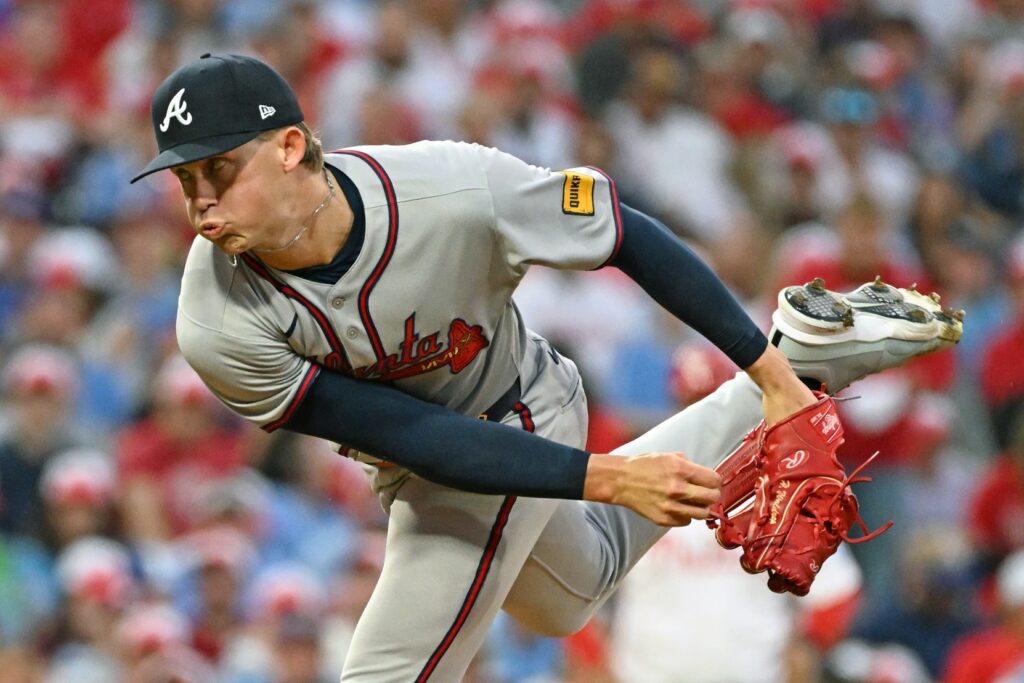
Waldrep’s diagnosis of loose bodies in the elbow doesn’t automatically spell disaster. It may not even require an extended absence. But even a short stint away from the mound underscores a larger issue that has lingered beneath the surface all offseason. The Braves entered the year knowing rotation depth would be tested. They attempted to address it. By all indications, efforts were made. Yet as the dust settled, the reinforcement never arrived.
The reality of modern baseball is unrelenting: pitchers get hurt. Building a rotation with exactly five viable options is rarely sufficient. Having six or seven credible arms is not a luxury; it’s insurance. An additional veteran presence, someone proven and durable, would have absorbed pressure now mounting on the roster.
Grant Holmes’ progress in recovery has softened the blow, and that cannot be overstated. Without his strides, the situation would appear far more precarious. Still, relying on rehabilitation timelines and optimistic projections is hardly a stable long-term blueprint. The Braves avoided a worst-case surgical outcome this time. That fortune may not repeat itself.
Thin Market, Tighter Timeline
External options remain limited. Lucas Giolito and Zack Littell represent recognizable names on the market, but beyond them, the field thins dramatically. Trades are always a possibility, yet they require alignment, timing, assets, and willing partners. That alignment cannot be assumed.
Internally, the Braves have pathways forward. Bryce Elder continues to resurface in the rotation conversation. Being out of options adds urgency; exposing him to waivers risks losing depth altogether. Joey Wentz has prior rotation experience and could reappear if needed.
JR Ritchie has impressed in camp and offers intrigue as a developing arm who has logged meaningful time in Triple-A. Didier Fuentes carries promise, but was pushed aggressively before. Developmental pacing matters, particularly for young pitchers still refining command and durability. The organization must weigh immediate need against long-term growth.
Depth Isn’t the Same as Security
These options exist, but that is not the same as being secure. Last season provided a preview of what heavy reliance on depth can look like. At times it held. At others, it wavered. The Braves’ front office made targeted additions when opportunities aligned. Offensive and bullpen improvements were addressed. The rotation, however, remained unresolved.
Whether financial guardrails influenced those decisions remains speculative, but resource allocation is rarely made in a vacuum. If ownership imposed constraints, flexibility narrowed accordingly. If the current structure falters under strain, the pressure to act, either before the deadline or next offseason, will intensify.
The coming weeks will reveal whether this moment serves as a temporary tremor or the beginning of sustained turbulence. Atlanta has options. What it lacks is margin for error. In a division where consistency wins championships, the Braves are being asked to prove that preparation, even imperfect preparation, will be enough.