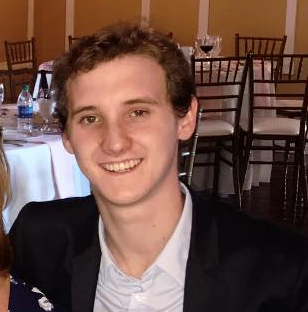

The photos themselves are simple: a head coach and a national reporter standing poolside at an Arizona resort, greeting each other, talking, existing in the same frame. But the reaction to those images has been anything but simple. What followed instead was a chain reaction that pulled in newsroom leadership, rival reporters, and long-simmering concerns about how access is obtained and used in modern sports media.
A Warning From Inside the System

Buster Olney didn’t need to name names to make his point. His warning landed because it described a system, not a single incident. The idea that information can come with strings attached, subtle or explicit, is not new, but Olney framed it as something that has become more visible, more normalized, and more corrosive than ever before in his career. His comparison to the steroid era wasn’t casual. In that period, suspicion often outpaced accountability, and insiders understood far more than audiences ever could. That same gap, Olney suggested, now exists between what reporters and executives know privately and what fans are told publicly.
The Russini-Vrabel Fallout
The Russini-Vrabel situation sits directly in that gap. Both have denied wrongdoing. Both say the interaction took place in a larger group setting. The Athletic has publicly defended Russini’s work while simultaneously placing her on leave pending review. That split response, confidence paired with caution, has only added to the uncertainty around the case.
What complicates this further is the reality Albert Breer pointed out. Female reporters are often judged differently in these situations, with assumptions forming faster and sticking longer. That dynamic doesn’t erase the ethical questions, but it does change how they are applied and to whom. Breer’s concern wasn’t just about Russini’s reputation; it was about the downstream effect on other women covering the league, many of whom operate under scrutiny that their male counterparts rarely face.
Access, Influence, and the Cost to the Audience
Inside The New York Times, frustration appears to be building over how the situation has been handled. Descriptions like “premature” and “reckless” suggest disagreement not just about the facts, but about process, when to act, how to communicate, and how much weight to give a set of photos without full context.
At the center of all of this is a basic tension: access versus independence. Reporters need sources. Sources often expect something in return, even if it’s just favorable framing or selective emphasis. Olney’s point is that when that balance tips too far, the audience pays the price. They’re left reading stories that may be technically accurate but subtly shaped by relationships they can’t see.
That’s the part no investigation can easily resolve. The photos might be explained. The timeline might be clarified. But the broader concern Olney raised, about how information moves, who controls it, and what it costs, doesn’t disappear with a single conclusion. It lingers in every unnamed source and every carefully worded scoop that follows.