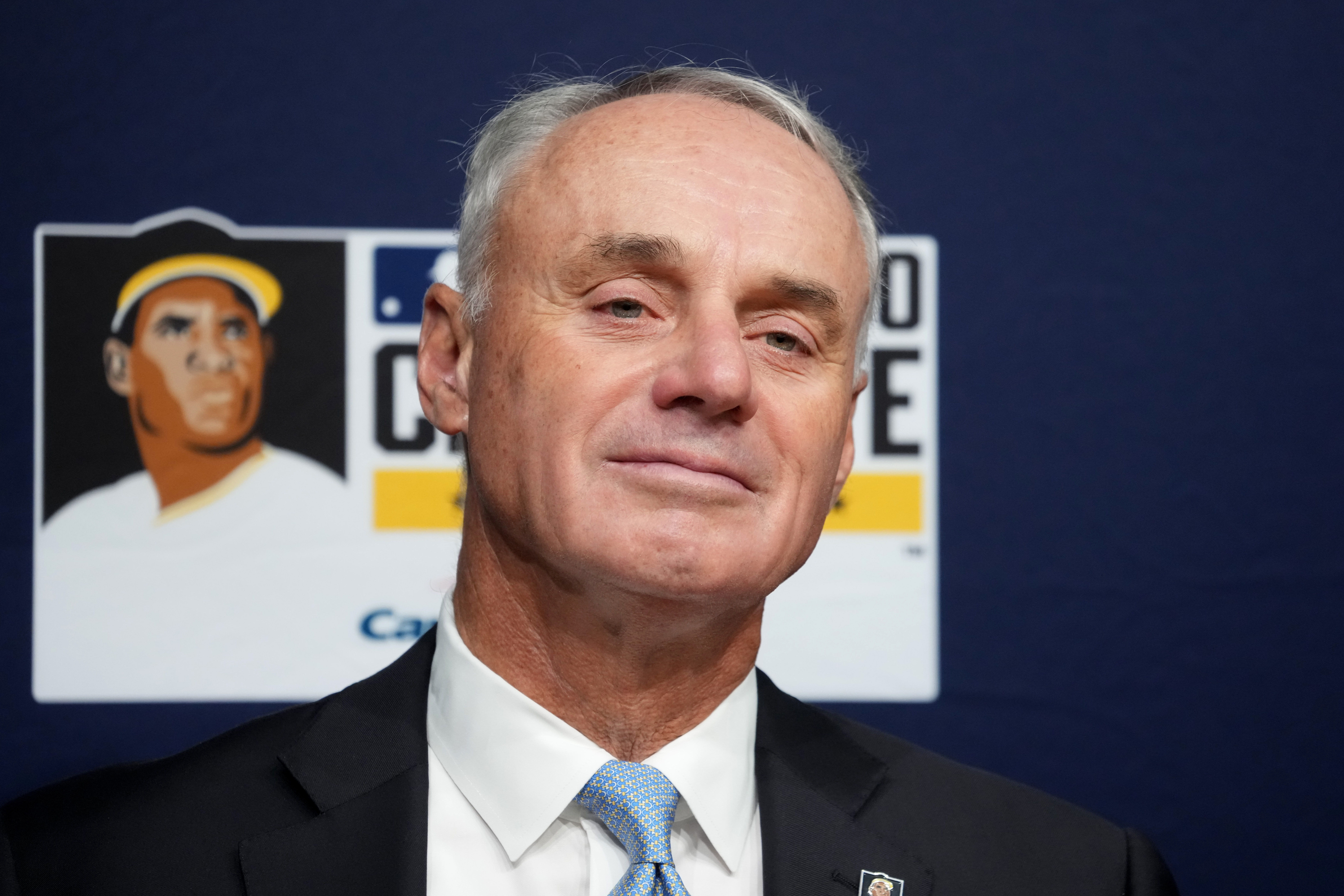
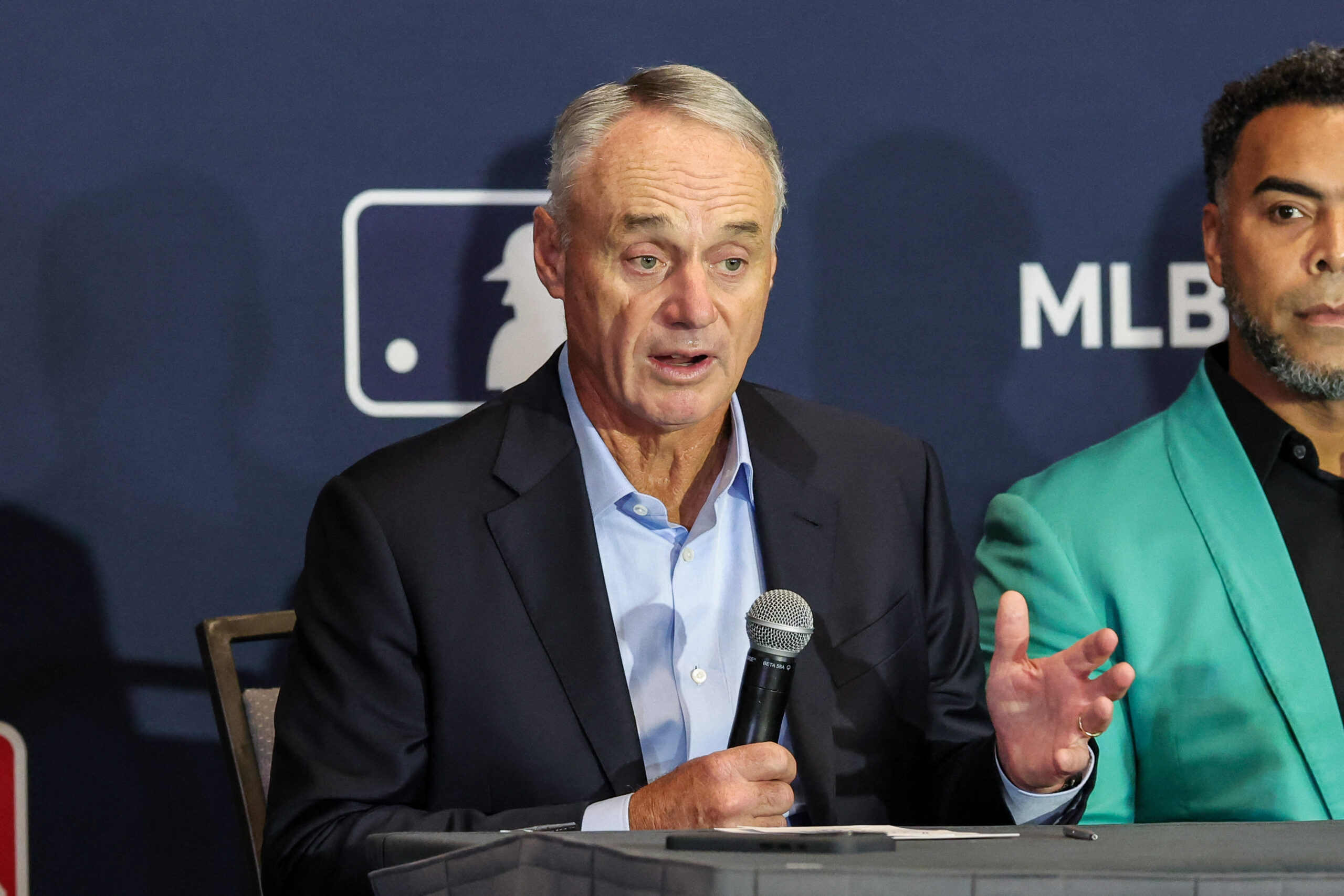
MLB commissioner Rob Manfred tried to offer baseball fans some reassurance during the broadcast of the Little League Classic in August, insisting that “we’re planning on playing baseball next year.”
The players, however, sound considerably less confident that the 2027 season will arrive without a major labor fight.
MLB’s collective bargaining agreement with the MLB Players Association expires on Dec. 1, 2026, putting another potential lockout squarely on the horizon. And if a salary cap becomes one of the league’s primary demands, recent comments from current players suggest the two sides could be headed for a lengthy standoff.
MLB Players Draw a Hard Line on Salary Cap

More than two dozen major leaguers shared their candid views on several issues surrounding the upcoming negotiations. Of the 11 responses published regarding a salary cap, nine players opposed the idea.
There wasn’t much ambiguity in some of those answers.
One player said he was “not open” to discussing a cap. Two others put the chances of players accepting a hard salary cap at “zero.”
Another delivered an even more dramatic warning about what could happen if owners insist upon one.
“Get ready to see a bunch of schoolteachers and whatnot out there, because we’re not playing if there’s a cap,” the player said.
That resistance comes as MLB has already floated specific numbers. In May, the league reportedly proposed a $245.3 million salary cap, a $171.2 million salary floor, and an even 50-50 division of revenues.
League spokesperson Glen Caplin said the proposal would “level the playing field” while allowing players and owners to split baseball revenue equally.
But at least one player interviewed viewed the long-term implications very differently. His concern wasn’t simply the initial cap figure. It was what could happen in future negotiations once a cap system was established.
“They’re going to make it look really good for the first one,” the player said. “But then every five years, we’re going to have to renegotiate, we’re going to have no power, and they’re just going to keep cutting our piece of the pie smaller. So the first one will look good.”
That kind of fundamental disagreement could make a quick compromise difficult.
Memories of MLB’s Last Lockout Remain Fresh
Baseball has been here recently enough for everyone to remember what a labor stoppage looks like. MLB locked out its players after the previous agreement expired in December 2021. Opening Day was initially delayed in 2022 before the league and union reached a deal in time to preserve the full 162-game schedule.
There is no guarantee the next confrontation ends the same way.
Players were also asked whether they were willing to lose games during the coming dispute. Five of the six published responses suggested fans should prepare for the 2027 schedule to be affected.
“As many as it takes, but the lockout’s not up to us. I would say yes,” one player said when asked how many games players would be willing to lose. “It’s out of our control, though.”
Another predicted the 2027 season wouldn’t begin “until June.” A third was similarly direct, saying, “There are going to be some games that will be lost.”
Opening Day 2027 Could Be in Jeopardy
None of that means games definitely will disappear from the schedule. Months remain before the current CBA expires, and negotiations can change quickly once both sides face the financial consequences of an extended shutdown.
But the comments reveal how far apart MLB and many of its players appear to be on one of the sport’s biggest economic questions. Manfred may be planning to play baseball next year. Players are already talking openly about what they are prepared to sacrifice if a salary cap is part of the price.
With Dec. 1 approaching, that distinction could become the defining issue in determining when, or whether, Opening Day 2027 arrives on schedule.