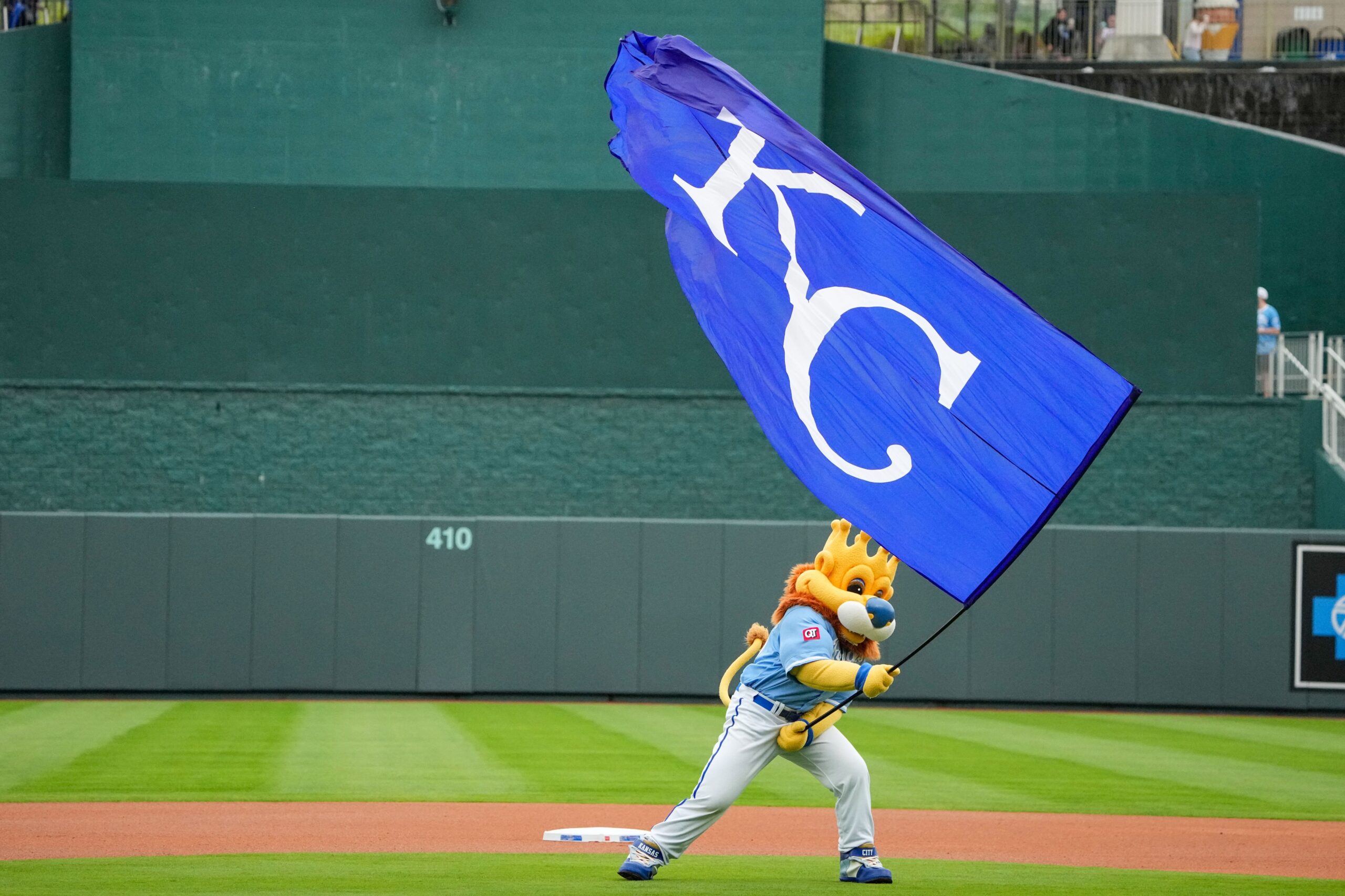
Kansas City’s sports landscape is shifting, but not in a neat or unified direction. While the NFL’s Chiefs prepare to cross state lines into Kansas, Major League Baseball’s Royals are planting themselves more firmly in Missouri with a sweeping $1.9 billion stadium project that signals both ambition and risk.
A Downtown Stadium Anchored by Crown Center
The Royals’ plan centers on a new downtown ballpark in the Crown Center area, replacing their longtime home, Kauffman Stadium, when their lease expires in five years. Construction is set to begin next year, forming the core of a larger $3 billion mixed-use development spanning 85 acres. The project brings together the Royals and Hallmark, another Kansas City fixture, which intends to build a new headquarters within the same district. The partnership adds a layer of corporate stability to the vision, tying the team’s future to an established local brand with deep roots in the city.
Ownership has framed the move as a forward-looking investment grounded in history. John Sherman’s remarks emphasized continuity alongside change, but the scale of the development makes clear that this is more than a relocation; it is a reconfiguration of how the team fits into the city’s economic and physical layout. By shifting downtown, the Royals aim to tap into existing foot traffic, public transit connections, and proximity to business centers, including a streetcar link to the Power & Light District.
Public Money, Private Promises
Funding remains a central point of tension. Roughly two-thirds of the project will come from private sources, with the remaining portion covered through public tax dollars and bond financing. Missouri Governor Mike Kehoe has argued that the public contribution draws from previously authorized funding streams and will not disrupt existing programs. That assurance, however, does little to quiet long-standing concerns about the real economic returns of publicly supported stadiums. Decades of similar projects across the country have produced mixed results, and economists continue to question whether the promised ripple effects ever fully materialize.
A Split Future for Kansas City Sports
The backdrop to this announcement adds another layer of complexity. Kansas City recently failed to secure the Chiefs with a voter-rejected tax proposal, leading to a separate $2.4 billion bond-funded stadium plan across the state line in Kansas. The Royals had once been aligned with the Chiefs on a joint redevelopment effort, but that plan unraveled, leaving each franchise to chart its own course.
For some fans, the situation feels unnecessary. Kauffman Stadium, renovated not long ago, still functions as a viable venue, and skepticism persists about replacing it so soon. That sentiment reflects a broader divide between civic ambition and public appetite for large-scale, publicly assisted sports developments.
The Royals’ new ballpark may eventually reshape downtown Kansas City, but for now, it stands as a calculated gamble, one that hinges as much on economic follow-through as it does on the team’s performance on the field.