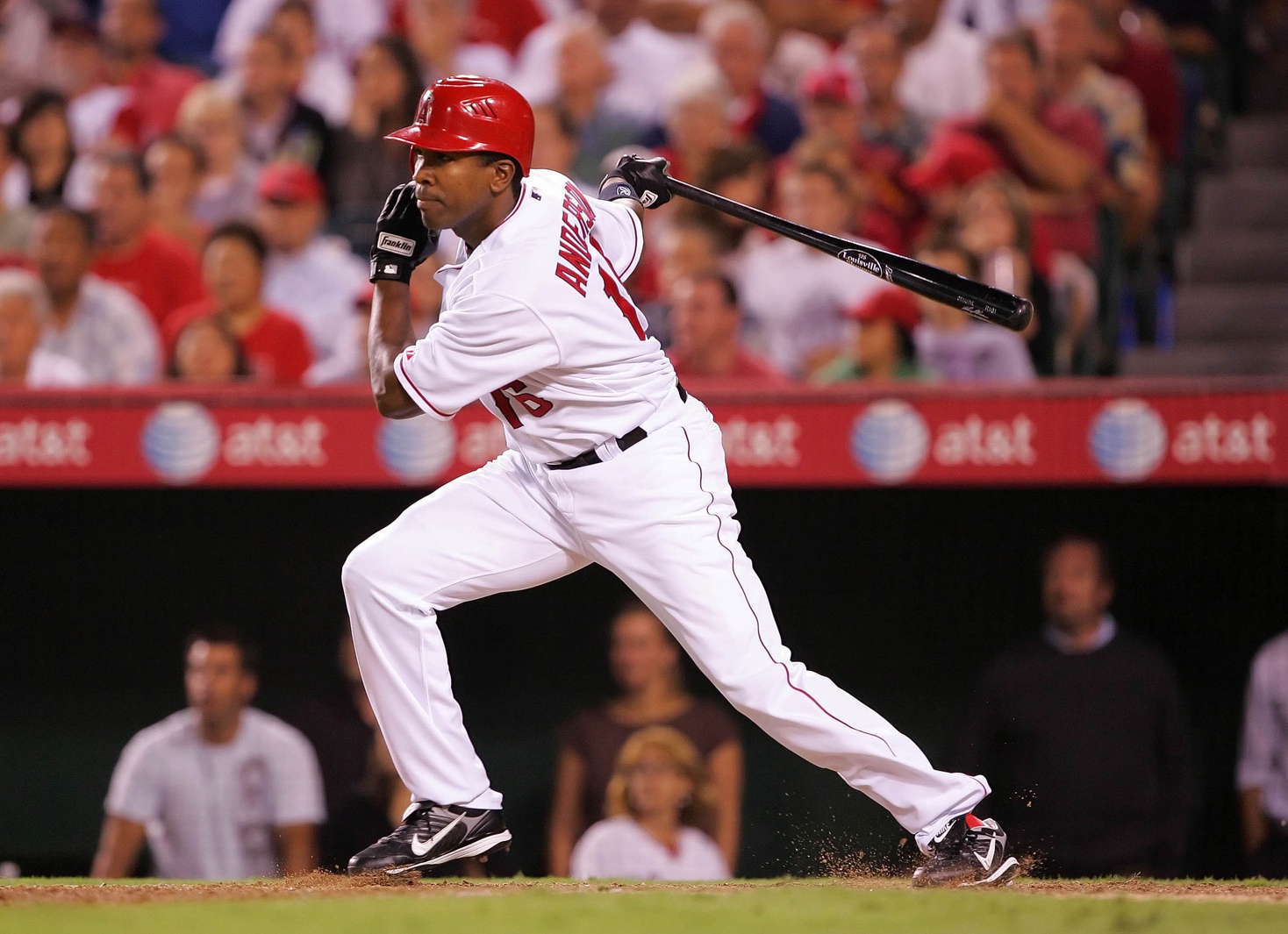
Garret Anderson’s death initially came with uncertainty, the kind that often follows a sudden medical emergency at home. Early assumptions pointed to a heart attack, a common conclusion when a 53-year-old collapses without warning. But within days, officials clarified what had actually happened, replacing speculation with a specific and less commonly discussed cause.
A Sudden Death, A Different Cause
According to the Orange County Sheriff’s Coroner’s Office, Anderson died from acute necrotizing pancreatitis. The condition, a severe form of pancreatic inflammation, can escalate rapidly and lead to organ failure. His death was ruled natural. The update contrasts with what his wife, Teresa, had first shared publicly, underscoring how little clarity there can be in the immediate aftermath of an unexpected loss.
A Career Built on Consistency
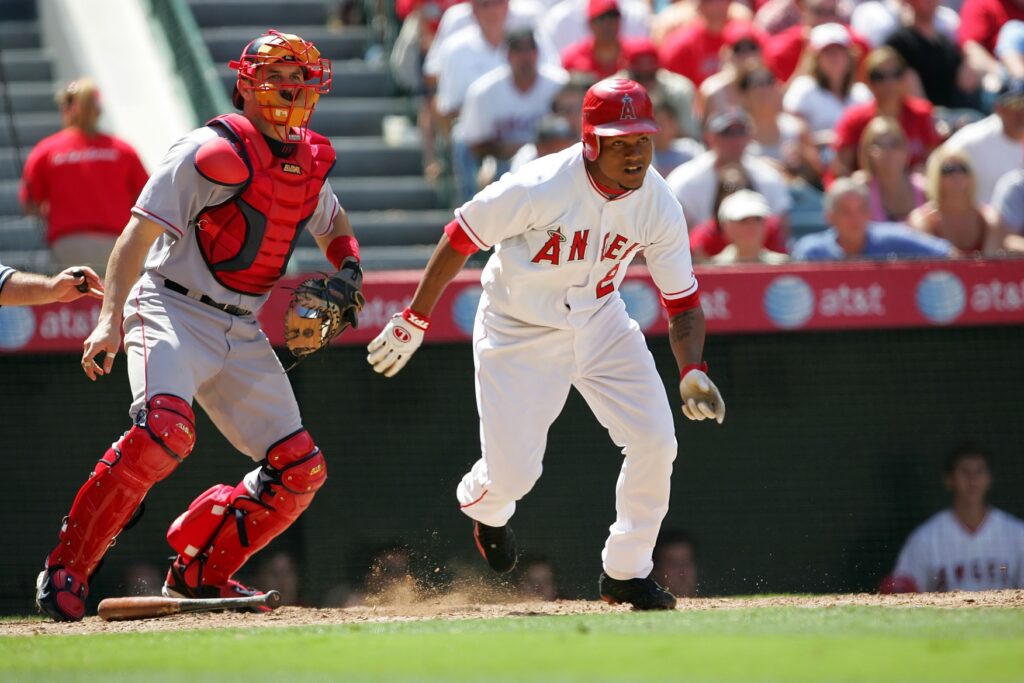
The shift in understanding does not change the broader impact of Anderson’s passing, particularly for those who watched his career unfold in Anaheim. Across 15 seasons with the Angels, he built a statistical record that still defines the franchise. He remains the club’s all-time leader in games played, hits, RBIs, and grand slams, numbers accumulated through consistency rather than brief bursts of dominance.
His role in the Angels’ 2002 World Series title stands out as the defining chapter. In a tightly contested seven-game series against the San Francisco Giants, Anderson delivered key hits and drove in six runs. Manager Mike Scioscia later described him as the foundation of that championship run, pointing to both his performance and his steady presence in the lineup.
Remembering His Lasting Connection to the Angels
Anderson’s career extended beyond that peak. After leaving the Angels, he spent time with the Atlanta Braves and Los Angeles Dodgers before stepping away from playing. Retirement did not fully sever his ties to the organization. He returned as a broadcaster, maintaining a visible connection to the team and its fan base.
In 2016, the Angels formally recognized his contributions by inducting him into their Hall of Fame. The honor reflected not just his production but also the length of his tenure and the role he played during a period that included the franchise’s only championship.
Following his death, the Angels announced they will wear a commemorative patch for the remainder of the 2026 season. The design includes his initials and the years of his life, a small but visible marker intended to keep his presence tied to the team he spent most of his career representing.