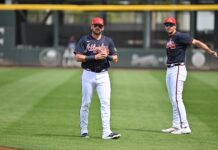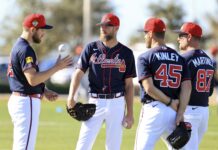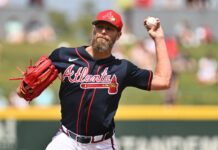

Spring training always begins with optimism and opportunity, but reality sets in quickly once roster reductions start. For the Atlanta Braves, that process officially shifted gears Sunday as the organization trimmed its camp roster and signaled that tougher evaluations lie ahead.
The club optioned right-hander Hunter Stratton and infielder Nacho Alvarez Jr. to Triple-A Gwinnett, while right-hander Javy Guerra and catcher Chadwick Tromp were reassigned to minor league camp. These moves are the first meaningful narrowing of a roster that entered camp with layers of competition, particularly in the bullpen and along the bench.
Early Braves Cuts Reflect Uphill Battles in the Bullpen
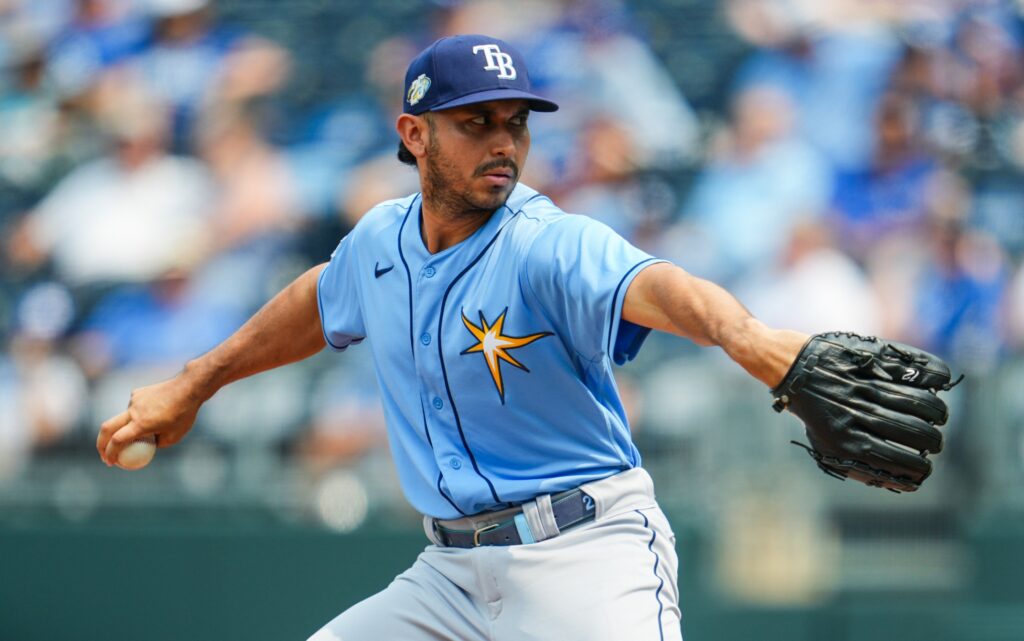
Guerra and Stratton arrived in North Port facing steep competition for relief roles. With a bullpen core largely intact from last season, their path to the Opening Day roster required dominant early performances. Instead, their departures reflect the natural order of spring: veterans with defined roles remain, while others shift focus toward depth assignments and organizational readiness. The Braves’ relief corps is not short on experience, making it difficult for newcomers to displace established arms without overwhelming results.
Alvarez Jr.’s optioning carries a different tone. The young infielder remains a key developmental piece, and his reassignment ensures consistent at-bats in Triple-A. Meanwhile, Tromp’s move to minor league camp maintains catching depth while clarifying the pecking order behind the plate.
World Baseball Classic Adds a Strategic Twist
Complicating matters this year is the World Baseball Classic. With stars such as Ronald Acuña Jr. and Ozzie Albies temporarily departing to represent their countries, the Braves face a unique balancing act. Their absence could extend opportunities for fringe players and prospects to log additional innings and plate appearances in major league camp. In a typical spring, those at-bats might be scarce. This year, though, they carry amplified significance.
That extended runway could prove pivotal for emerging talent. Young right-hander JR Ritchie has already generated buzz with his composure and raw arsenal. Additional exposure before decision-makers like manager Walt Weiss and the front office allows for a deeper evaluation of readiness. The Braves must determine not only who can contribute immediately, but also who benefits most from continued development.
Final Bench and Rotation Spots Intensify Competition
Bench competition remains equally intense. Non-roster invitee Ben Gamel, armed with three home runs this spring, has forced his way into the conversation for a final roster spot. Veterans such as Kyle Farmer present proven versatility, creating a layered competition where performance, experience, and roster flexibility all factor heavily.
On the pitching side, the rotation and bullpen picture remains fluid. Ritchie and other young arms are vying not only for early-season consideration but for positioning within the organization’s long-term plans. As March progresses, the margin for error will shrink. Each bullpen appearance and late-inning at-bat will be scrutinized.
For a team with postseason aspirations, assembling the final 26-man roster demands more than rewarding hot starts. It requires projecting sustainability, preserving depth, and protecting long-term organizational health. The first wave of cuts has arrived. The most difficult decisions are still ahead.