
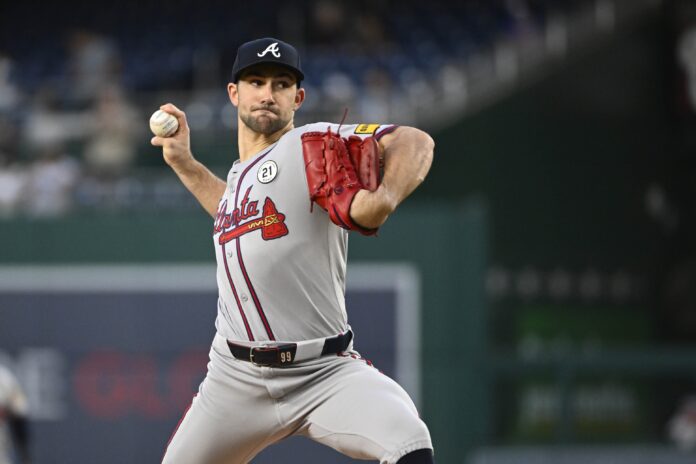
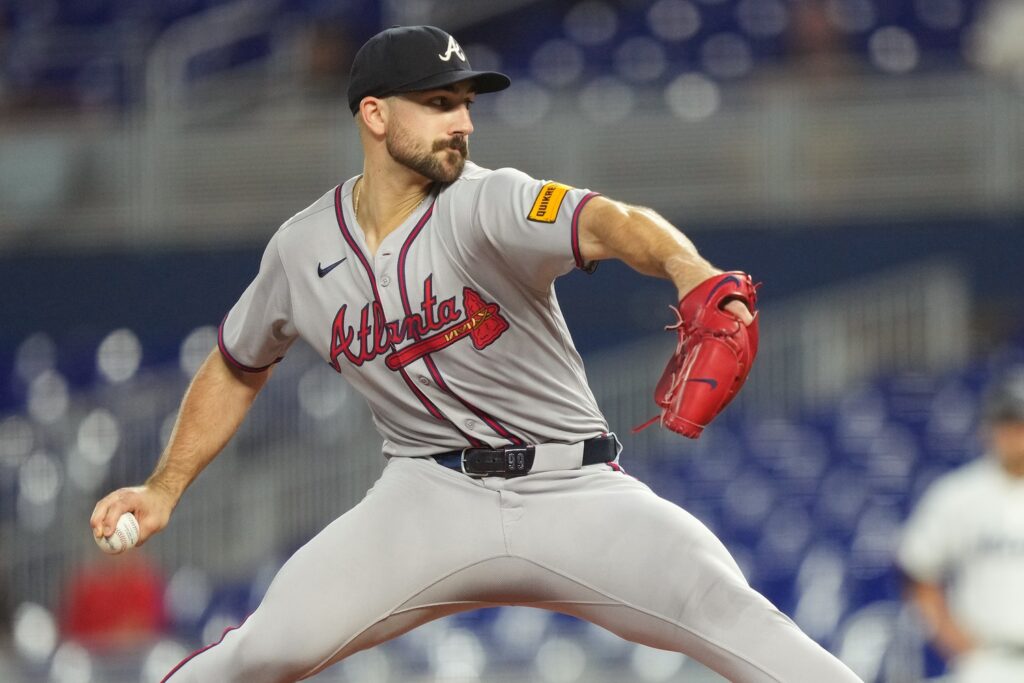
The Atlanta Braves are no strangers to having players step beyond the batter’s box and into the broader, often thornier, arena of public discourse. From the courageous clarity of Hank Aaron to the rising voice of Spencer Strider, the franchise’s legacy isn’t just about wins, it’s about the weight that comes with influence, and the resolve to use it.
Hank Aaron’s Legacy Was About Far More Than Home Runs
Hank Aaron’s heroism wasn’t confined to the diamond. Yes, he broke Babe Ruth’s legendary home run record, but it was the context in which he did it, amid death threats, racial vitriol, and a divided nation, that defined the deeper scope of his impact. Aaron endured not just to break records, but to break the silence. He lent his voice to injustices that outlived his playing career, speaking up about the killing of George Floyd, invoking the memory of the Tuskegee Airmen during COVID-19’s racial disparities, and mentoring a generation of Black players not only in sport, but in purpose.
Braves Strider Post Revives a Revolutionary Parallel
Now, nearly half a century later, another Braves star has stirred public conversation, in quieter form, but with no less symbolic weight.
When Spencer Strider posted Paul Revere’s famous 1770 engraving of the Boston Massacre, the vivid, politically charged depiction of British troops firing on colonists, he didn’t need a caption. The image did the talking, and the timing spoke volumes. The post came just after ICE officers fatally shot 37-year-old Alex Pretti in Minneapolis, the second such death in the city in under a month. The image, tied so deeply to America’s origin story of revolt against state violence, was unmistakably meant to draw parallels.
From the Mound to the Moment: Strider Joins a Long Line of Athlete Voices
And this isn’t some abstract history lesson. This was Strider, a professional athlete at the height of his platform, laying bare his discomfort, perhaps even his outrage, at what’s unfolding in real time. Just as Revere’s engraving rallied colonists to question the legitimacy of British authority, Strider’s post appears to question the modern use of power by government agents on American soil.
Adding further clarity, Strider reposted commentary from Barack and Michelle Obama, reinforcing his position, not by shouting, but by curating. In an era of loud takes and reactionary noise, Strider’s approach echoes something more timeless: symbolism, historical awareness, and quiet provocation.
Much like Aaron before him, Strider isn’t simply reacting. He’s contextualizing. Drawing a line from the foundational ideals of liberty and justice to the country’s current shortcomings. And by doing so, he reminds us that the intersection of sports and society is not a new phenomenon; it’s an enduring, often uncomfortable dialogue.